September 8, 2026
Understanding how tree removal companies identify dead canopy areas within residential landscapes is crucial for maintaining property safety and environmental health. A dying or lifeless canopy poses severe hazards to nearby structures and utility lines, making timely detection an essential aspect of property management. Service professionals combine field observations with modern diagnostic techniques to determine branch vitality, helping property owners mitigate limb failure risks effectively.
Professional crews approach canopy evaluation with structured methods designed to distinguish natural seasonal foliage changes from true crown decline. Trees exhibit complex physiological symptoms during periods of stress, requiring trained experts to diagnose branch dieback accurately. Systematic assessments preserve overall property value while ensuring that necessary remediation work balances public safety imperatives with long-term ecological conservation.
Inspect Tree Canopies Visually
Visual assessment serves as the fundamental initial phase when tree removal companies evaluate crown health across diverse property settings. Evaluators thoroughly scrutinize leaf density, color variations, and seasonal foliage patterns throughout the upper crown structure. Healthy crowns display uniform foliage distribution, whereas dying sections show sparse leaf cover, premature discoloration, or bare branches during active growing seasons.
Specialists examine structural branch mechanics to detect localized dieback within upper crown structures. Drooping limbs, missing buds, and brittle twigs indicate decaying or lifeless canopy sections. Structural bark abnormalities, such as severe splitting or peeling along major scaffold branches, reveal internal vascular failure, while fungal growth confirms dead structural timber needing prompt technical attention.
Complex cases require formal evaluation criteria to confirm structural viability before final management decisions occur. According to HomeGuide, property owners should have a certified arborist evaluate a tree for potential removal if severe trunk damage appears or if dead branches make up over 50% of the canopy. Systematic visual checks establish reliable baseline assessments for planning subsequent interventions.
Leverage Advanced Assessment Technologies
Modern tree removal companies utilize advanced technological diagnostic tools to elevate upper crown inspection precision across complex environments. High-definition drone technology enables field technicians to inspect remote canopy zones without physical climbing hazards. Aerial photography delivers comprehensive vantage points of upper crown structures, helping specialists detect decay, localized dieback, and subtle pest damage hidden from ground views.
Thermal imaging cameras offer sophisticated diagnostic capabilities by measuring surface temperature variations across major branches and trunks. Cooler surface areas correspond to reduced sap circulation, indicating vascular tissue death or internal structural decay. Spectral analysis technology assists field teams by measuring light reflectance patterns off canopy leaves, revealing unseen physiological stress levels before visible dieback occurs.
Digital mapping systems and specialized data management platforms allow specialists to track structural canopy changes over extended periods. Field operators utilize satellite mapping software and location technology to record exact locations of compromised trees, forming organized databases for long-term monitoring. Combining digital tools with hands-on experience ensures accurate evaluations that support property management choices.
Consult Professional Arborist Experts
Engaging board-certified arborists remains vital when tree removal companies analyze complex upper crown conditions across various tree species. Certified specialists possess rigorous training in forest pathology, tree physiology, and risk management, allowing them to diagnose subtle health issues accurately. Their biological expertise ensures that structural assessment findings rest on sound scientific principles rather than superficial visual assumptions.
Professional diagnostic consultations provide property owners with detailed structural health reports outlining specific crown conditions, hazard levels, and mitigation options. Certified experts perform comparative stress analyses, weighing environmental variables against species characteristics to determine underlying causes of decline. This analytical approach clarifies whether specific branches can be saved through targeted pruning or require full extraction.
Working alongside certified specialists safeguards human safety while preventing unnecessary destruction of viable landscape trees. Expert diagnostics prevent premature removals of salvageable specimens while identifying hidden hazard trees before catastrophic failure occurs. Professional recommendations ensure that property management strategies adhere strictly to established industry standards and environmental regulations.
Evaluate Key Biological Indicators
Evaluating biological indicators provides critical insight into overall tree health when tree removal companies investigate suspected canopy mortality issues. Soil nutrition levels, pH balance, and moisture retention directly influence how effectively trees absorb minerals necessary for foliage. Impaired soil conditions induce severe drought stress or root rot, which rapidly manifest as crown dieback and structural decay.
Pest infestations represent another primary biological factor driving rapid crown deterioration across urban forest environments. Wood-boring insects target weakened structural timber, disrupting vital nutrient transportation pathways throughout upper trunks and branches. Visible signs of pest activity, including boreholes and canopy thinning, signal urgent intervention needs to prevent systemic tree death.
Broader environmental stressors, such as severe weather events, extreme heat, and ambient air pollution, compound biological decline in mature trees. Local biodiversity levels, including beneficial fungal networks, serve as meaningful barometers of tree resilience. Field technicians track seasonal foliage behavior to distinguish between predictable biological responses and abnormal stress indicators.
Enforce Strict Inspection Safety Protocols
Safety considerations remain paramount whenever tree removal companies perform upper canopy evaluations near utility lines and residential homes. Field personnel must utilize personal protective equipment, including helmets, eye protection, climbing harnesses, and steel-toe footwear during inspection operations. Rigorous safety gear mandates protect technicians from falling debris, equipment accidents, and unpredictable structural failures.
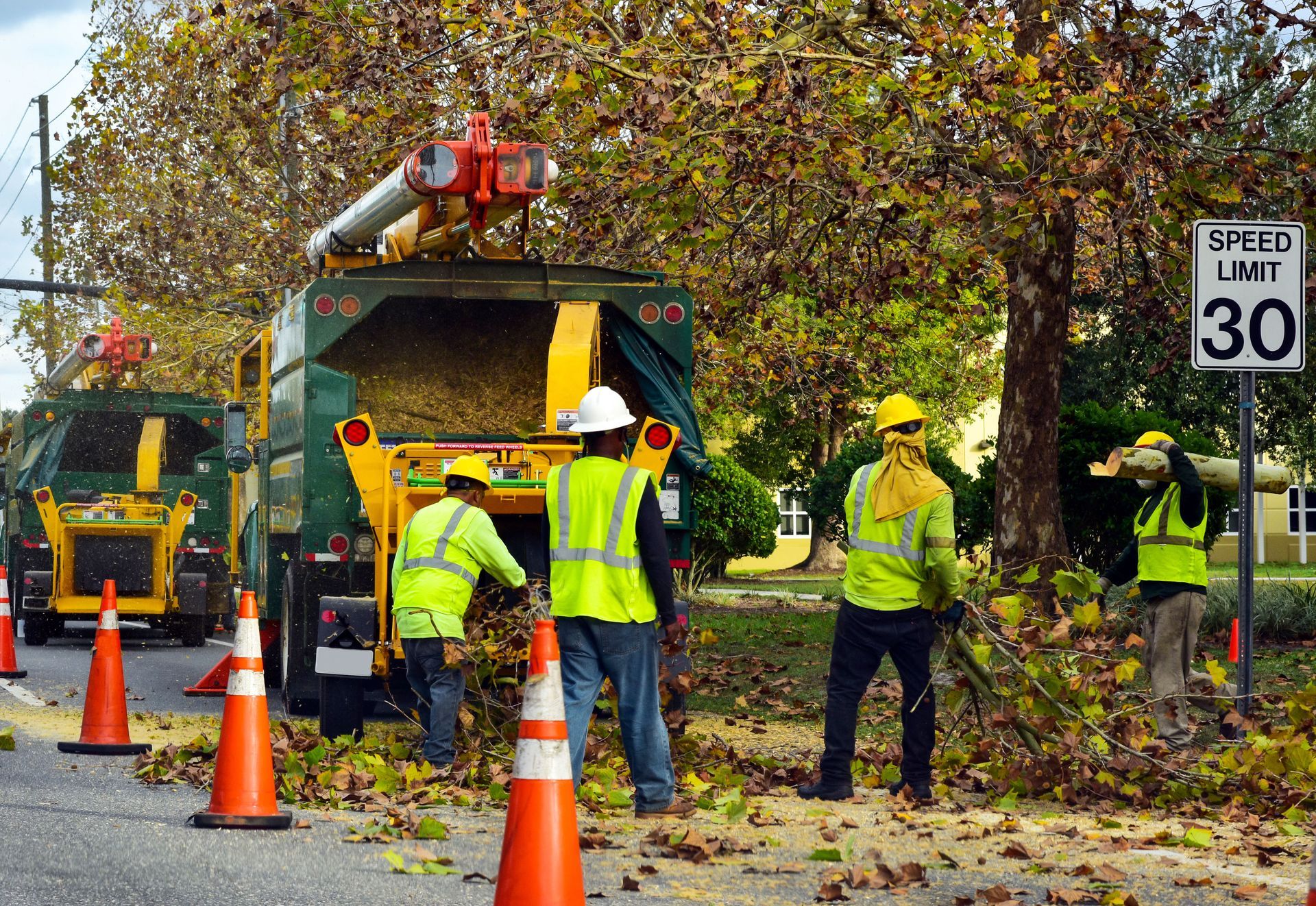
Establishing clear work zone perimeters represents another vital safety protocol during structural canopy inspections and hazard evaluations. Field crews deploy cones, warning signs, and barrier tape to isolate drop zones and prevent unauthorized pedestrian entry into active work areas. Thorough site risk assessments conducted before initiating climbing operations identify overhead utility lines, structural obstacles, and ground hazards.
Effective team communication and coordinated operational planning enhance field safety during complex elevated canopy inspection projects. Daily safety briefings ensure that every crew member understands specific operational roles, hazard points, and site-specific emergency protocols before work commences. Open communication channels between ground technicians and elevated inspectors reduce operational errors and prevent workplace accidents.
Balance Economic and Ecological Factors
Evaluating economic and ecological trade-offs forms an essential task when tree removal companies assist property owners with canopy management decisions. Conducting thorough cost-benefit analyses helps determine whether preserving a declining tree through advanced treatments or opting for complete removal makes better financial sense. Property owners weigh damage risks against aesthetic value carefully.
From an ecological perspective, tree removal decisions must consider local wildlife habitats and urban heat island mitigation. Mature trees provide critical nesting sites and shelter for native species, making premature removal ecologically detrimental. Removing diseased trees prevents dangerous pathogens from spreading to healthy woodland areas, balancing ecological conservation with hazard mitigation.
Community education and regulatory compliance serve as supporting pillars for responsible tree management practices across suburban neighborhoods. Educating property owners regarding preservation techniques fosters environmental stewardship while building trust between service providers and residents. Compliance with municipal preservation ordinances protects property owners from potential legal issues while supporting sustainable landscape management.
Identifying dead tree canopy through structured diagnostic methods remains vital for maintaining safe, healthy, and visually appealing properties across diverse communities. By combining traditional visual observations with diagnostic technology and certified arborist expertise, qualified specialists deliver accurate structural evaluations that protect human safety and landscape integrity. Addressing crown decline proactively prevents costly property damage and supports urban forest health.
Property owners who invest in routine canopy monitoring ensure early detection of hazardous conditions, preserving environmental quality and property value. Timely intervention safeguards surrounding structures while supporting long-term community forestry goals through informed decision-making. We invite you to contact us at Arbor Access, In today to schedule a comprehensive canopy inspection for your property.