Maintaining a lush landscape is a priority for property owners who value the aesthetic appeal of mature vegetation. While towering branches provide excellent shade, these massive structures require ongoing monitoring to ensure they remain structurally sound. Regular inspections help uncover subtle issues before they evolve into massive liabilities. Over time, environmental stressors and natural aging can transform a healthy specimen into a liability that threatens homes. Recognizing indicators of decay early can prevent property damage and personal injury. Property owners must remain objective when evaluating the health of their landscape, as sentimental attachment often clouds judgment. Knowing exactly when to seek professional assistance is vital. By consulting a reputable tree pruning company, homeowners receive expert guidance on whether a declining specimen can be salvaged or if complete extraction is necessary to protect the surrounding environment.
1. Spotting the Dead Branches
A highly obvious indicator that a large plant is failing is the accumulation of lifeless limbs within the upper canopy. Healthy branches are covered in vibrant leaves during the growing season, whereas dying limbs become brittle, dry, and devoid of foliage. These decaying sections pose an immediate threat to people walking below, as they can snap and fall during a mild windstorm. Furthermore, eliminating these dead sections promotes better airflow and sunlight penetration for the rest of the healthy canopy. When a significant portion of the crown consists of barren limbs, it usually signifies that the root system is failing to deliver nutrients. Ignoring this visual warning can lead to devastating consequences when gravity pulls the rotting wood down onto roofs.
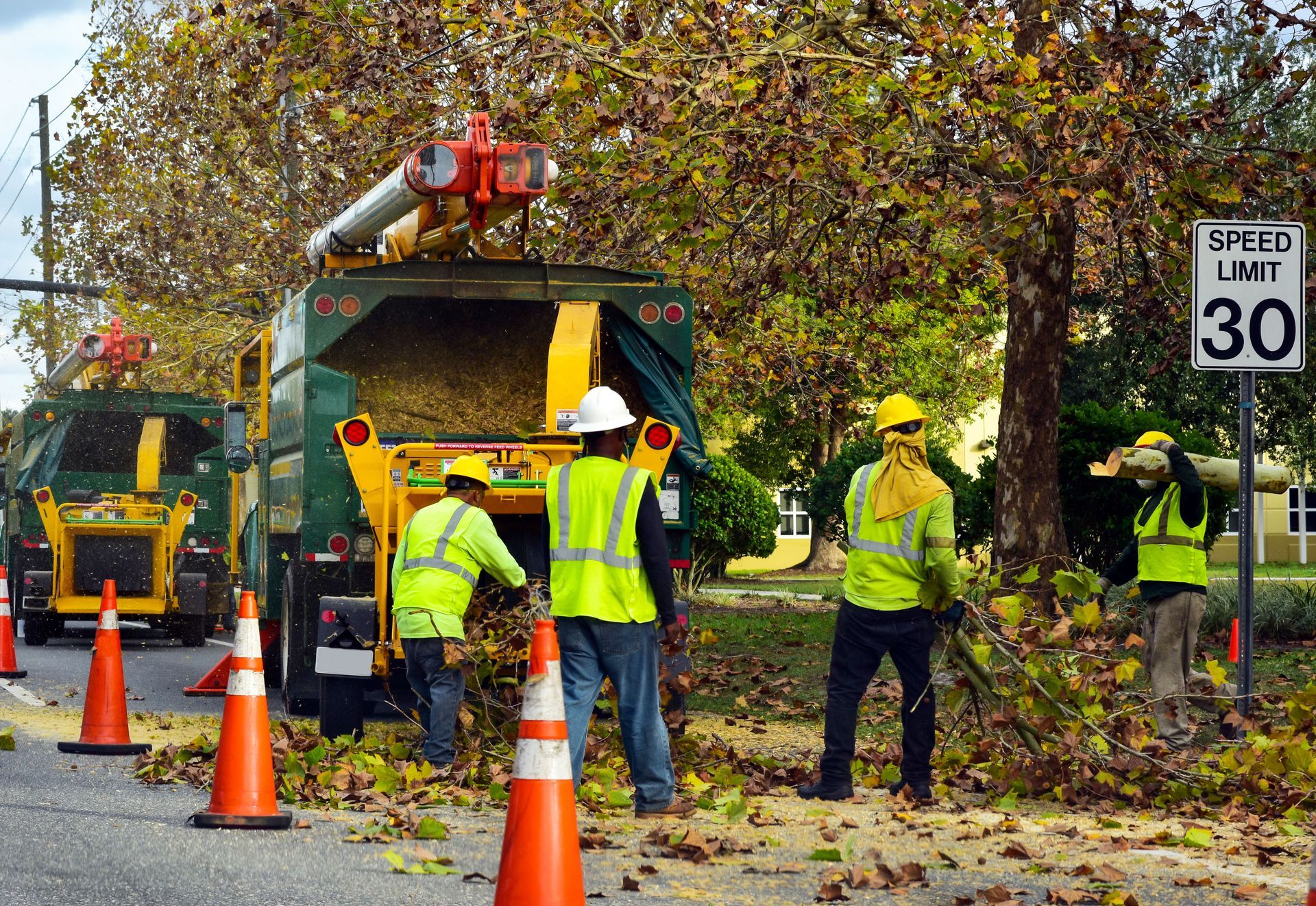
While minor trimming might seem like a simple chore, attempting to remove large dead sections without proper safety equipment is dangerous for an amateur. A professional tree pruning company has the specialized rigging gear required to safely dismantle hazardous limbs without causing collateral damage. Experts can accurately assess whether the dieback is a localized issue or if the entire structure is compromised. By relying on experienced technicians, homeowners eliminate the physical risks associated with operating chainsaws at dangerous heights. Addressing dead branches promptly is the best way to mitigate risk and maintain a secure outdoor space.
2. Inspecting the Trunk Health
The main vertical stem serves as the critical support column, meaning any structural weakness here spells impending disaster. Without a strong and solid trunk, even the most vibrant upper canopy remains at constant risk of a sudden collapse. Property owners should routinely examine the bark for deep cracks, large missing patches, or hollow cavities that indicate severe internal decay. When the outer protective layer peels away, it leaves the inner wood vulnerable to aggressive fungal infections that accelerate decomposition. A hollowed center is alarming because it means the structural integrity is drastically reduced, making the entire organism susceptible to snapping during high winds. Discovering sawdust piles near the base also strongly suggests pests are actively destroying tissues.
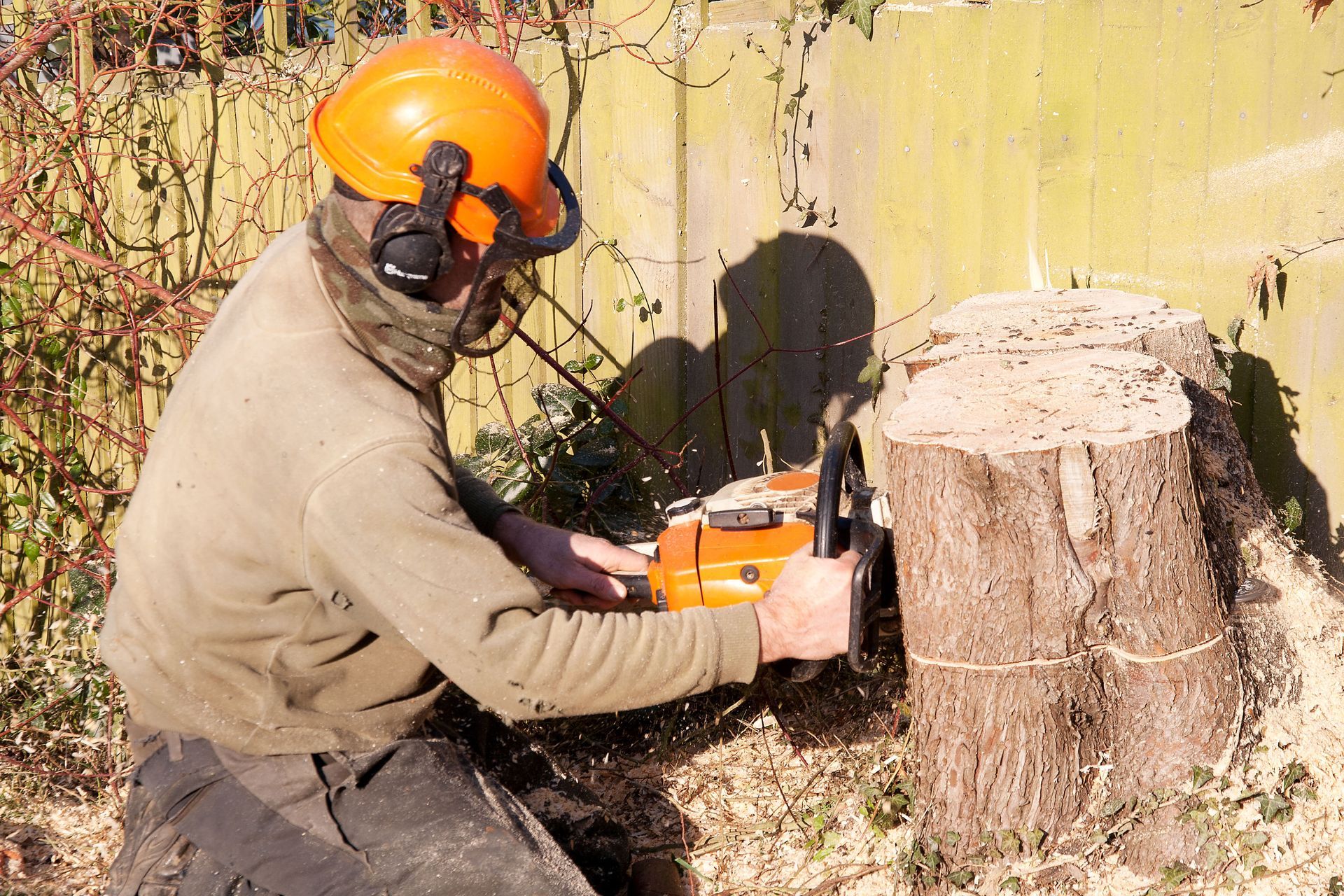
Evaluating the extent of trunk damage requires a trained eye, as some wounds can heal, while subtle defects dictate immediate extraction. According to HomeGuide, professionals use diameter at breast height to gauge the time and tools needed, with trees over 24 inches across costing significantly more to remove. When examining a compromised trunk, a qualified tree pruning company will utilize this exact measurement technique to provide an accurate assessment. Understanding the relationship between trunk girth and structural stability allows these specialists to execute a flawless dismantling strategy that prevents a massive volume of compromised wood from crashing into residential structures.
3. Assessing the Root Damage
Although hidden beneath the soil, the root system is the fundamental anchor that prevents massive trunks from toppling over. A compromised anchor system fundamentally ruins the structural balance, making the entire mass highly prone to failing during severe weather conditions. Unfortunately, property owners often unknowingly damage this underground network during landscaping projects or lawn maintenance. Severing major structural roots destabilizes the plant and cuts off its primary source of essential moisture, leading to overall decline. Furthermore, soil compaction from heavy machinery suffocates the delicate feeder roots, causing the top canopy to starve and wither. Visible signs of root distress include profound soil heaving around the base or the appearance of large fungal mushrooms growing directly on the lower flare.
Diagnosing subterranean issues is challenging for the homeowner because the actual damage remains out of sight. A trusted tree pruning company understands the intricate biology of root systems and can interpret the above-ground symptoms that indicate an underground failure. If a storm has caused the soil to heave, these professionals can determine if the anchor system is permanently broken or if interventions could restore stability. In cases where the root network is irreparably severed, complete extraction becomes the only responsible choice. Proactive root assessment ultimately saves homeowners from the terrifying experience of a massive trunk resting inside their living room.
4. Evaluating the Canopy Lean
Many plants naturally grow with a slight angle to reach optimal sunlight, but a sudden shift in posture is a red flag that demands immediate attention. Evaluating the severity of this shift is vital for maintaining a secure environment and preventing devastating property damage. If you notice a previously upright trunk suddenly leaning heavily toward a house or power line, the underground anchor system has likely failed. This sudden movement frequently occurs after periods of relentless rainfall that heavily saturate the ground, transforming firm soil into loose mud that cannot hold the immense weight. A heavy leaning canopy creates an intense gravitational pull on the weakened side, increasing the probability of a total uprooting event. Monitoring the vertical alignment is crucial.
Determining the safety of a leaning structure is a technical process that involves calculating weight distribution and the exact angle of the shift. An experienced tree pruning company possesses the analytical skills needed to evaluate whether a lean is a harmless growth pattern or a critical emergency. If the shifting poses a direct threat to high-voltage lines, these experts will implement emergency removal protocols to systematically dismantle the canopy before a catastrophic failure occurs. Relying on a professional tree pruning company ensures the intricate dismantling process is conducted with precision rigging, preventing the leaning mass from snapping prematurely.
5. Noticing the Disease Symptoms
Just like any living creature, vegetation is highly susceptible to contagious diseases and aggressive pest infestations that can rapidly destroy cellular health. Early symptoms often present as irregular leaf discoloration, premature leaf drop during summer, or strange sticky sap leaking profusely from the bark. Bacterial infections can spread rapidly through the vascular system, effectively choking off the vital flow of water needed for basic survival.
Accurately identifying plant pathogens requires specialized horticultural knowledge that extends beyond basic gardening experience. A knowledgeable tree pruning company employs certified arborists who can precisely diagnose the specific fungal or bacterial issue ravaging the landscape and recommend the most effective course of action. In some instances, targeted chemical treatments and aggressive limb removal can successfully halt the spread and save the host from destruction.
Maintaining a safe and visually appealing landscape demands continuous observation, proactive management, and the willingness to make difficult decisions regarding failing vegetation. Ignoring the glaring warning signs of structural decay, aggressive disease, or severe root damage only amplifies the risk of catastrophic property destruction and tragic personal injury. By carefully monitoring the canopy, trunk, and surrounding soil, property owners can easily identify hazardous situations long before they escalate into terrifying emergencies. Taking proactive measures today will safeguard your property and your peace of mind for the foreseeable future. Understanding your own limitations as a homeowner and recognizing exactly when to call in qualified specialists is the hallmark of responsible property stewardship. Do not wait for the next severe thunderstorm to expose the hidden dangers lurking in your backyard. If you are ready to evaluate the safety of your property and want to discuss your options with a friendly and reliable team, please reach out and contact Arbor Access, Inc today.